November 2, 2026
A backyard putting green can transform an outdoor space into a convenient place to practice golf, enjoy friendly competition, and spend time outside. However, creating a functional practice area requires more than selecting artificial turf and choosing a location. Homeowners should consider available space, intended use, surface contours, drainage, and the amount of maintenance they can reasonably manage. The right layout should complement the property while providing enough room to practice different putting techniques. Careful planning can also help prevent common design problems, such as awkward slopes, restricted movement, and poorly positioned holes. By evaluating these factors before installation, homeowners can develop a layout that supports their goals and makes effective use of their backyard.
Evaluating Available Backyard Space
The first step in designing a backyard putting green is determining how much space is available for the project. Measure the intended area and identify boundaries, trees, garden beds, patios, walkways, and other features that could affect the layout. Homeowners should also consider how the practice area will fit alongside existing outdoor activities. A well-planned design allows players to move comfortably without interfering with seating areas or pathways. The size of the property will influence the shape, number of holes, and length of putts the green can accommodate. According to HomeAdvisor, a 500-square-foot green offers a useful balance between practice variety and manageable upkeep, while smaller 100-square-foot designs can accommodate basic putting and 2,000-square-foot layouts allow for longer putts or additional features. These options illustrate why homeowners should match the design to their available space and intended use. Establishing realistic dimensions early makes it easier to create a practical layout.
Determining Your Primary Practice Goals
Understanding how the green will be used helps determine which layout features deserve priority. Some homeowners want a simple area for practicing short putts, while others prefer a more challenging design that supports different distances and angles. When planning putting greens, consider whether the primary goal is individual practice, family recreation, friendly competitions, or a combination of activities. Short practice areas can be useful for improving alignment, speed control, and putting consistency. Larger designs may provide more room for longer attempts and varied hole placements. Homeowners who entertain guests might prefer a layout that accommodates several players without crowding. The desired experience should guide decisions about shape, surface contours, and the number of holes. Choosing features according to actual use helps ensure the finished installation remains enjoyable over time.
Selecting a Functional Green Shape
The shape of a backyard green affects both its appearance and the types of putting challenges it can provide. Rectangular designs may suit narrow yards, while curved or irregular outlines can work well around existing landscaping. A kidney-shaped layout can introduce different putting angles without requiring a perfectly symmetrical space. Carefully designed putting greens should use their available footprint efficiently rather than forcing an elaborate shape into an unsuitable area. Homeowners should consider how the outline relates to nearby patios, fences, trees, and other landscape features. Smooth transitions around the perimeter can create a more finished appearance and make the green feel integrated into the yard. Designers may also use separate lobes or connected sections to create different practice zones. Selecting a shape that complements the property helps balance visual appeal with everyday functionality.
Planning Hole Placement and Putting Distances
Hole placement determines how much variety a green offers during practice. A thoughtful layout provides different distances and angles rather than positioning every cup in a straight line. Homeowners should consider short putts for accuracy, medium-length attempts for speed control, and longer putts when the available space permits. Well-designed putting greens can incorporate multiple hole locations while preserving enough room for comfortable movement around the surface. Cups should be positioned to avoid excessive crowding near edges and narrow areas. Their placement should also account for slopes, because severe breaks can make some holes frustrating or difficult to use consistently. A combination of straightforward and moderately challenging putts can keep practice sessions engaging. Planning the locations before installation helps create a balanced experience that makes productive use of the entire green.
Incorporating Slopes and Surface Contours
Subtle contours can make a backyard green more interesting by changing how a ball travels toward the hole. A mostly flat surface may be appropriate for beginners or homeowners who want straightforward practice. Gentle slopes can introduce additional challenges involving speed, direction, and reading the break. When designing putting greens, contours should be intentional and appropriate for the players who will use them. Steep or abrupt transitions may create inconsistent ball movement and make certain areas difficult to practice on. Designers should consider how each slope interacts with the surrounding surface and planned hole locations. The underlying base must also be prepared carefully so that the finished turf maintains its intended shape. A balanced contour plan adds variety without sacrificing usability or reliable ball roll.
Addressing Drainage and Ground Preparation
Drainage is an important part of any backyard putting green project because water accumulation can interfere with use and affect the underlying installation. Before construction begins, assess the existing soil, yard slope, and locations where rainwater naturally collects. The base should be prepared according to the site's conditions and the selected turf system. Proper grading can help direct water away from the green and reduce the risk of persistent wet areas. Homeowners should also consider how nearby roofs, downspouts, garden beds, and paved surfaces influence runoff. Even attractive putting greens may become difficult to use if drainage issues are overlooked during installation. A properly prepared foundation helps support a consistent playing surface and the long-term performance of the turf. Addressing these details early can reduce the need for disruptive corrections later.
Balancing Turf Quality and Maintenance
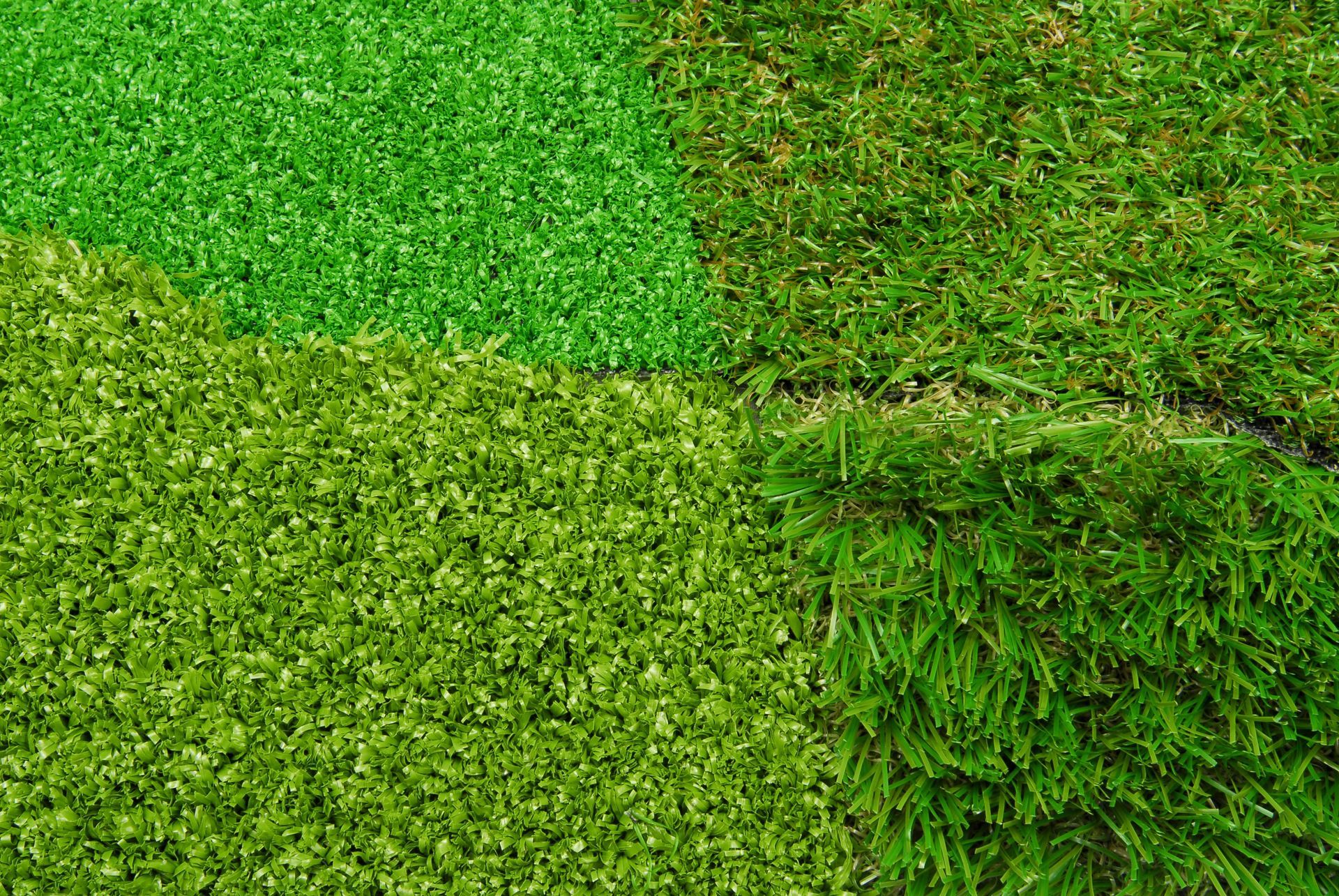
The turf selected for a backyard green influences ball roll, appearance, durability, and maintenance requirements. Homeowners should compare products designed specifically for putting rather than assuming every artificial grass option will provide the same playing characteristics. Surface density, pile height, backing, and installation methods can all influence performance. Quality putting greens should provide a reasonably consistent surface suited to the intended level of play. Maintenance needs should also be considered before choosing materials and design features. Regular brushing, removing leaves and debris, and following the manufacturer's care instructions can help maintain the surface. Nearby trees may increase cleanup requirements, while poorly planned edges can make routine maintenance more difficult. Selecting suitable turf and designing for convenient upkeep can help preserve the green's appearance and usability.
Coordinating the Green With Your Landscape
A backyard putting green should feel like a natural part of the overall outdoor environment. Consider how its colors, shape, and surrounding materials will complement the home's architecture and existing landscape. Bordering plants, decorative stone, seating areas, and pathways can help define the practice space without making it feel isolated. Homeowners may also want to preserve open areas for children, pets, gardening, or outdoor gatherings. Thoughtfully integrated putting greens can provide recreation while contributing to a cohesive backyard design. Lighting may be useful for evening use, provided fixtures are positioned appropriately and installed safely. Seating and storage for golf accessories can also improve convenience without cluttering the area. Coordinating these elements creates an outdoor space that supports both golf practice and everyday enjoyment.
Choosing the right layout begins with understanding your available space, practice goals, preferred design, and maintenance expectations. Hole placement, surface contours, drainage, and turf selection all influence how well the finished green performs. Taking time to coordinate these details can help homeowners create a practical outdoor feature that remains enjoyable for years. A carefully planned layout can accommodate different skill levels while complementing the property's existing landscaping.
Contact Legacy Green Solutions to discuss your backyard goals and explore a putting green layout designed around your space, preferences, and practice needs.